
Explore with Clevaa
Everyday things. Unexpected rabbit holes.
How does GPS know where you are? Why does ice float? Why does the Moon change shape? Each guide answers in its first lines, with the pictures a Clevaa lesson painted, then hands you the question to take into a conversation. One question usually leads to another.
Start with an everyday mystery
These short guides give you a useful starting point before you open a lesson. Read the explanation, think through the question at the end, then ask Clevaa to go further.
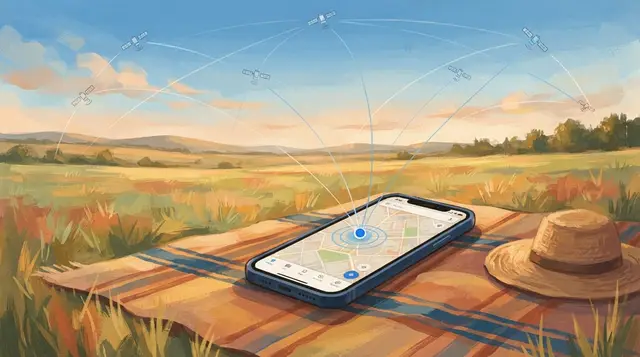 EVERYDAY TECHNOLOGY · NAVIGATION
How does GPS know where you are?
Satellites broadcast the time; your phone measures how late each signal arrives and turns the delays into a position. Why four satellites, why cities confuse it, and where relativity comes in.
Explore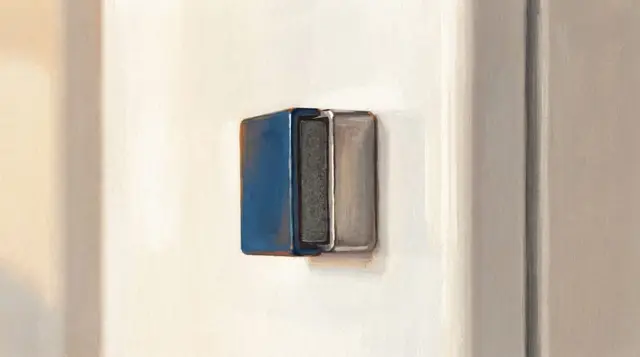 EVERYDAY SCIENCE · MAGNETISM
Why do magnets stick to the fridge?
A fridge door is not a magnet, but its steel is full of tiny magnetic regions. A magnet turns them to face it, the door becomes a magnet too, and the two attract. Why aluminium and some stainless steels will not hold one.
Explore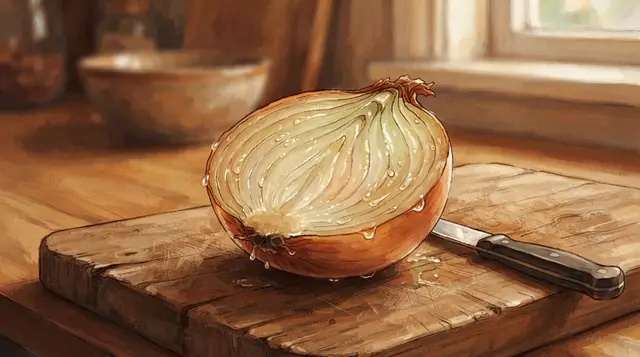 EVERYDAY SCIENCE · KITCHEN
Why do onions make you cry?
Cutting an onion breaks its cells, and enzymes turn sulfur compounds into a gas that stings the eye; tears are the eye rinsing it away. What a sharp knife changes, and why chilling may help less than people say.
Explore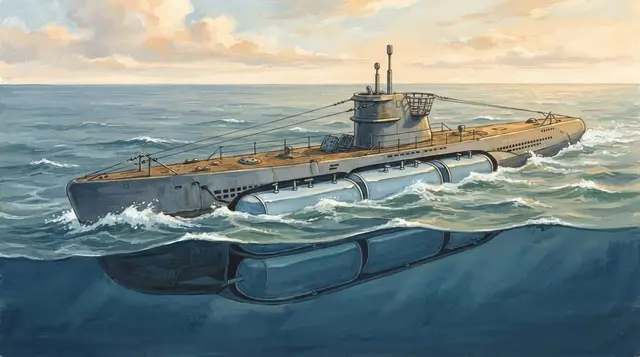 EVERYDAY TECHNOLOGY · SHIPS
How does a submarine dive and come back up?
A submarine sinks by letting seawater into its ballast tanks and rises by blowing the water out with compressed air. Why a steel ship floats at all, how a boat holds one depth, and what the diving planes do.
Explore EVERYDAY SCIENCE · ENERGYHow do solar panels turn sunlight into electricity?
Understand how solar cells turn light into electricity, what the electric field does, and why an inverter is needed. Then explore the idea with Clevaa.
Explore EVERYDAY SCIENCE · SOUNDHow can adding sound make things quieter?
Learn how microphones, a processor and sound waves make active noise cancellation work, why some sounds remain, and how it differs from passive isolation.
ExploreEarth, sea and sky
The big things that are always there: why the sea is salty and has tides, how ice carved the valleys, why the Moon changes shape and the calendar needs an extra day.
 EVERYDAY SCIENCE · LIGHT
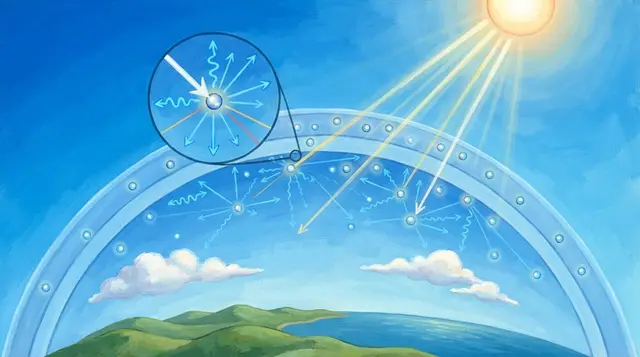
Why is the sky blue?
Air molecules scatter short blue wavelengths far more than red ones, so blue light reaches you from every part of the sky. Why sunsets are red, why clouds are white, and why the sky is not violet.
Explore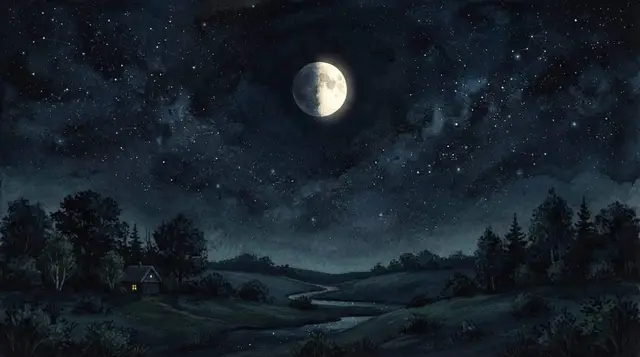 EVERYDAY SCIENCE · SKY
Why does the Moon change shape?
The Moon is always half lit by the Sun. As it circles the Earth each month we see that lit half from a changing angle: none of it at new Moon, all of it at full Moon. Why Earth’s shadow is not the cause.
Explore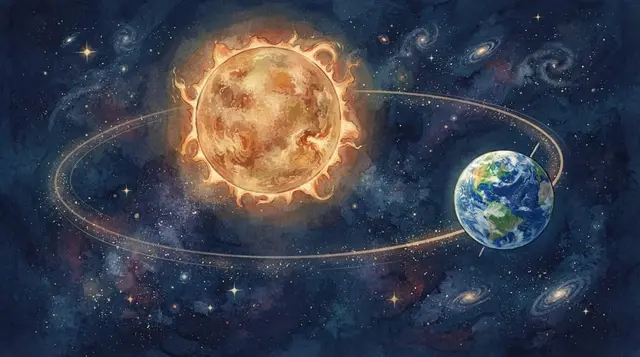 EVERYDAY SCIENCE · TIME
Why do we have leap years?
Earth needs about 365 and a quarter days to go round the Sun, so a 365-day calendar falls a day behind every four years. Why 29 February exists, why 1900 skipped it and 2000 did not, and when the next one comes.
Explore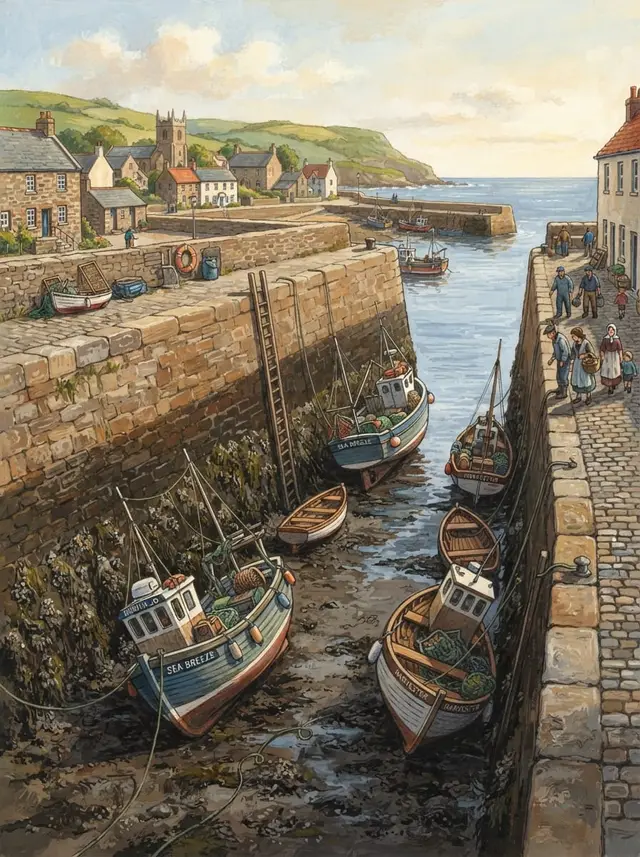 EVERYDAY SCIENCE · OCEANS
Why does the sea have tides?
The Moon pulls the near side of Earth harder than the far side, so the ocean stretches into two bulges and the spinning Earth carries every coast through them. Why there are two high tides a day, and what the Sun adds.
Explore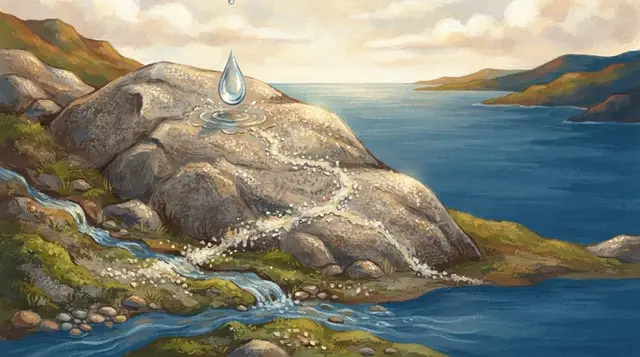 EVERYDAY SCIENCE · OCEANS
Why is the sea salty?
Rain slowly breaks down rock on land and rivers carry the dissolved minerals to the sea. Water leaves the sea again by evaporating; the salt stays. Why rivers taste fresh, how salty the sea is, and what the seabed adds.
Explore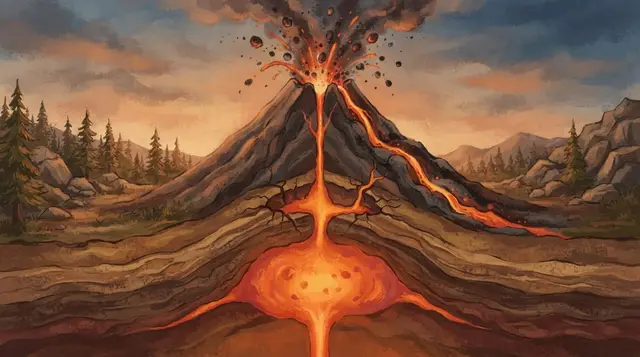 EVERYDAY SCIENCE · EARTH
Why do volcanoes erupt?
Magma rises because it is lighter than the rock around it; as pressure falls, dissolved gas comes out as bubbles and drives the eruption. Why some volcanoes ooze and others explode, and what warns us first.
Explore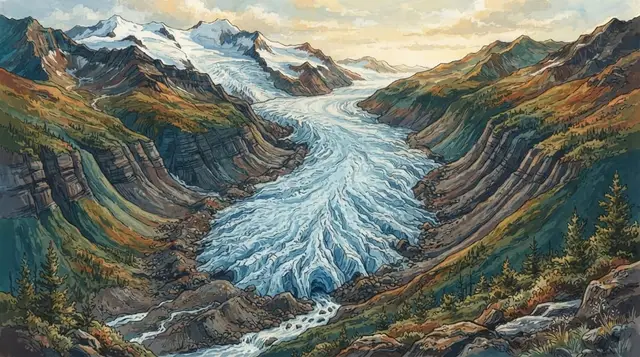 EVERYDAY SCIENCE · EARTH
How do glaciers carve valleys?
A glacier is slow-moving ice that tears blocks from its bed and drags them like sandpaper across the rock. Working on floor and walls at once, it turns a river’s narrow V into a wide U. Fjords and hanging valleys too.
ExploreWater and living things
One odd molecule explains a floating ice cube and a hundred-metre tree. A cat’s purr is still partly a mystery.
 EVERYDAY SCIENCE · WATER
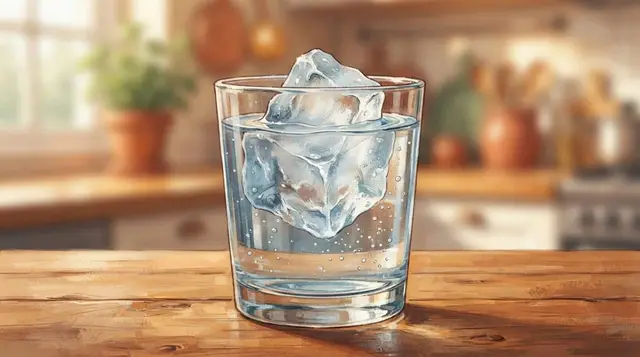
Why does ice float on water?
Water is one of very few substances whose solid is lighter than its liquid. Freezing locks the molecules into open six-sided rings, so ice takes about 9% more room. Why pipes burst and lakes freeze from the top.
Explore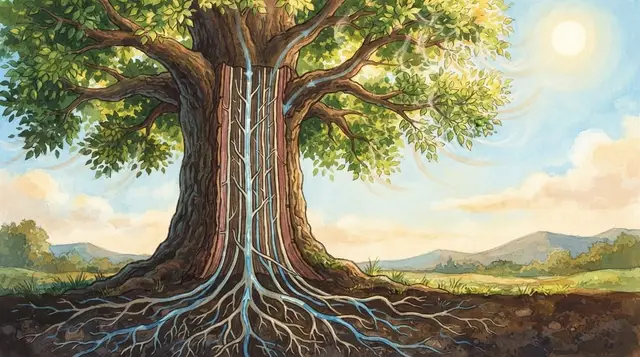 EVERYDAY SCIENCE · PLANTS
How does water get to the top of a tree?
Trees have no pump. Water evaporating from the leaves pulls on an unbroken thread of water that runs down through the trunk to the roots. Why suction cannot explain it, what holds the thread together, and what a drought does.
Explore EVERYDAY SCIENCE · ANIMALS
Why do cats purr?
A purr is a low buzz made in a cat’s voice box, on the breath in and the breath out. Cats purr when content, but also at the vet or when hurt, and scientists are still working out exactly how the sound is made.
ExploreHear it. See it. Ask about it.
A word like “current” or “interference” can be familiar without being clear. Clevaa explains an idea aloud while illustrations, labels and diagrams give you something to look at. You can ask about the step that lost you, request a simpler explanation, or explore a related question.
Choose a kid-friendly, curious or expert explanation level when you begin. You can speak or type, and open captions when you want to read what the tutor said.
See the idea you are trying to understand.
See ideas take shape with Clevaa, a visual AI tutor. Learn through spoken explanations, illustrations and diagrams, then ask about the part you want to understand.
Explore A CONVERSATION WITH YOUR CURIOSITYAsk it the way you would ask a person.
Talk through a question with Clevaa, a voice AI tutor with visual explanations. Ask follow-ups, request a simpler example, or type whenever you prefer.
ExploreYour question is the starting point
Try asking how a refrigerator moves heat, why a bridge expands, or how GPS finds a location. A useful follow-up is often more specific: “Which part changes first?” or “Can you show me what is moving?”
Afterwards, find the lesson on your home page with its notes and conversation. AI explanations and generated pictures can contain mistakes, so use the source links in our guides to check the underlying science.
TAKE THE NEXT QUESTION WITH YOU
What would you like to understand?
Start with your own question. Follow it with another.
Ask your own question ↗You choose when to start. Session availability and usage limits may apply.